Hawaii’s Food Paradox: Paradise with an Import Dependency
Hawaii seems like an unlikely place to discuss food insecurity. The islands are blessed with year-round sun, volcanic soil, and a tropical climate that can grow nearly anything. Yet the reality is starkly different: 85–90% of Hawaii’s food is imported from the continental United States and foreign countries, with local production accounting for just 10–15% of the total food supply. At any given time, Hawaii has a 5–7 day food supply, making the state uniquely vulnerable to supply chain disruptions, natural disasters, and global events.
This wasn’t always the case. Hawaii once fed itself through diversified agriculture and traditional Hawaiian farming systems. But decades of plantation agriculture followed by tourism development displaced farming from the cultural and economic center of island life. Today, despite having significant agricultural land, only 8% of land zoned for agriculture is actually used for crop production. The rest sits fallow, expensive, and inaccessible to new farmers facing prohibitive land costs, labor shortages, and the residual challenges of post-plantation agriculture.
The economic implications are enormous. In 2004–2005, food expenditures by Hawaii consumers totaled $3.7 billion, with the vast majority spent on imported products. Even accounting for local retailers, distributors, and restaurants that capture margin on imported goods, the net outflow of food dollars represents a massive transfer of wealth off-island — money that could otherwise circulate through Hawaii’s own agricultural economy. For chefs committed to quality and sustainability, this dependency became untenable. They began asking a different question: What if we built direct relationships with local farms?
The Hawaii Regional Cuisine Movement: A Culinary Revolution
The answer came in 1991, when twelve pioneering chefs made a bold decision. In August of that year, Peter Merriman, Alan Wong, Sam Choy, Roy Yamaguchi, Mark Ellman, Jean-Marie Josselin, Philippe Padovani, Beverly Gannon, Roger Dikon, Amy Ferguson Ota, George Mavrothalassitis, and Gary Strehl announced the formation of Hawai’i Regional Cuisine (HRC). While each had their own distinct style, they shared a revolutionary commitment: to source fresh, locally grown ingredients of the highest quality.
This wasn’t a marketing gimmick. It was a philosophical shift. The HRC movement recognized that Hawaii’s agricultural conditions and cultural heritage created an opportunity for a new genre of high cuisine. By leveraging local ingredients, these chefs could create distinctive flavor profiles that mainland restaurants simply could not replicate. More importantly, they could tell authentic stories — stories rooted in place, community, and the relationship between land and table.
The impact was immediate and profound. The HRC movement shattered race, gender, and class barriers within Hawaii’s culinary industry and fostered fresh ways of farming and fishing. Several HRC chefs — including Wong, Merriman, Yamaguchi, and Choy — became celebrity chefs with national and eventually global recognition. They proved that commitment to local sourcing wasn’t a limitation; it was a competitive advantage.
Today, three decades later, restaurants like Alan Wong’s, Merriman’s, and newer entrants like FÊTE, MW Restaurant, and The Pig & The Lady continue this legacy. They’ve built their reputations and menus on direct relationships with local farmers. This model has become the gold standard for Hawaii’s best restaurants.
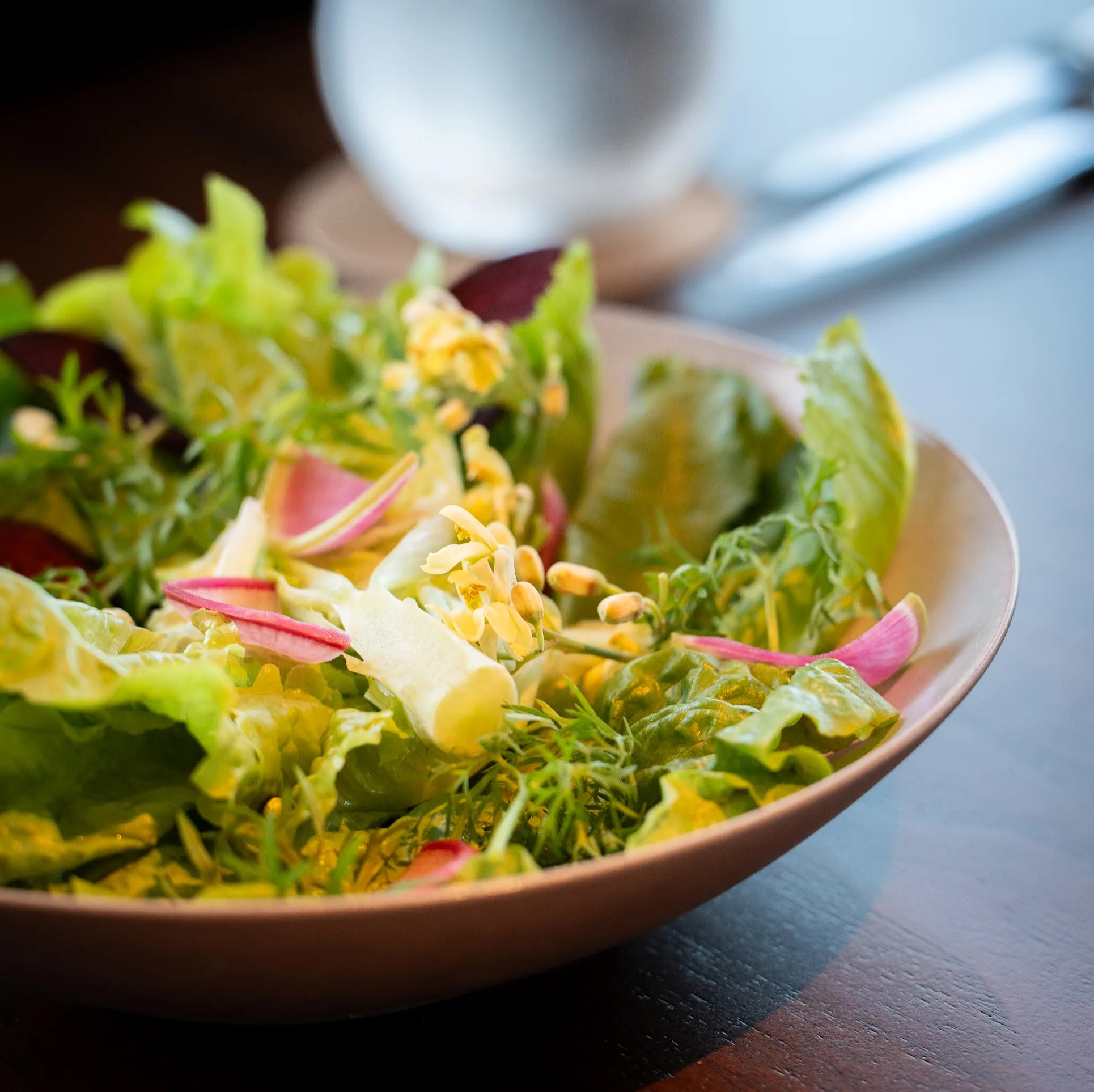
The Science of Freshness: Why Time Matters
To understand why restaurants obsess over direct farm relationships, you need to understand what happens to produce after harvest.
Most vegetables begin losing nutritional value the moment they’re picked. Postharvest research shows that produce can lose significant nutritional value within days of harvest — vitamin C losses alone can range from 15% to 77% within a week, depending on the crop and storage conditions. The longer the supply chain, the greater the loss. Produce shipped to Hawaii from the mainland typically spends 5 days in transit to a distribution center, then another 3 days in grocery store or restaurant inventory, before it’s purchased or plated. By this point — after 8–12+ days in the supply chain — produce has lost 50% or more of its key nutrients.
Specific nutrients are particularly vulnerable. Vitamin C degrades rapidly in response to light, heat, and oxygen exposure. Riboflavin breaks down when exposed to light. Moisture loss accelerates the ripening process and nutrient degradation simultaneously. The factors that make long-distance transport possible — controlled temperature environments, protective packaging, pre-harvest picking — work against the very qualities chefs care about: peak flavor, nutrient density, and texture.
Compare this to farm-direct sourcing: vegetables harvested in the morning can be on a restaurant table by evening. Leafy greens picked at peak ripeness retain their crispness, flavor intensity, and nutritional profile. A head of romaine or Manoa lettuce harvested hours before service is categorically different from one that has spent a week in cold storage. The difference isn’t subtle — it’s fundamental.
This is why top local restaurants maintain standing relationships with specific farms. Chefs can order produce knowing exactly when it was harvested and how it was grown. They can request varieties bred for flavor rather than shipping durability. They can plan menus around what’s at peak ripeness this week, rather than around what’s available through their distributor.
What Chefs Look For: The Farm Partner Equation
When a restaurant like FÊTE or The Pig & The Lady enters a relationship with a farm, they’re evaluating far more than just product quality. The most successful partnerships rest on five pillars:
Consistency and Reliability. A farm must deliver quality produce on schedule. This means the farmer understands the chef’s needs, communicates about timing and availability, and solves problems proactively. If a chef plans a dish around a specific vegetable and the supply fails, it cascades through the kitchen.
Flavor and Quality. This is non-negotiable. The produce must taste distinctly better than what’s available through conventional suppliers. For high-end restaurants, this difference justifies the premium price and becomes part of the restaurant’s story.
Communication and Flexibility. The best farm-restaurant relationships are collaborative. A farmer might suggest a new variety that arrived at peak ripeness. A chef might request a specific quantity or harvest window for a special event. This requires ongoing dialogue, not transactional order-taking.
Transparency and Story. Diners increasingly want to know where their food comes from. A farm-direct relationship allows a chef to credibly tell that story — the farmer’s name, growing methods, the specific field where the lettuce grew. This narrative becomes part of the dining experience.
Sustainability and Values Alignment. For restaurants that market sustainability and ethical sourcing, the farm’s growing methods matter deeply. A chef cannot credibly promote regenerative agriculture while sourcing from an industrial operation.
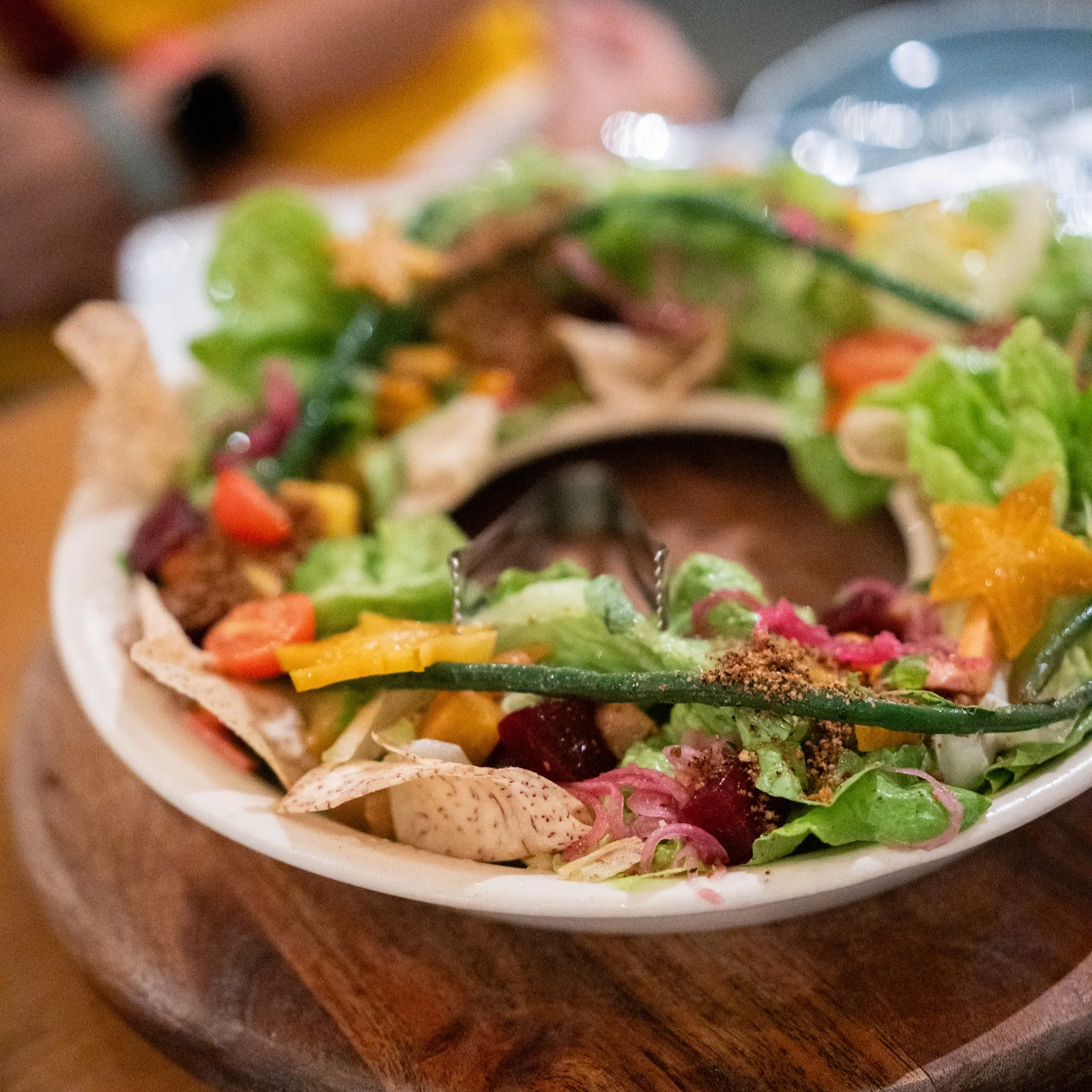
How Growing Methods Affect the Plate: The Korean Natural Farming Difference
Most large-scale farms rely on synthetic pesticides, herbicides, and fertilizers to maximize yield. These inputs increase production but come with trade-offs: they damage soil biology, reduce nutrient density, and create chemical residues that persist in the produce.
Korean Natural Farming (KNF) represents a different approach entirely. Rather than imposing chemical interventions, KNF works with natural biological systems. The method emphasizes living soil, fermented plant extracts, and microbial activity. In practice, this means:
Nutrient-dense soil and produce. The focus is on building soil health through microbial activity and organic matter. Healthier soil produces more nutrient-dense vegetables.
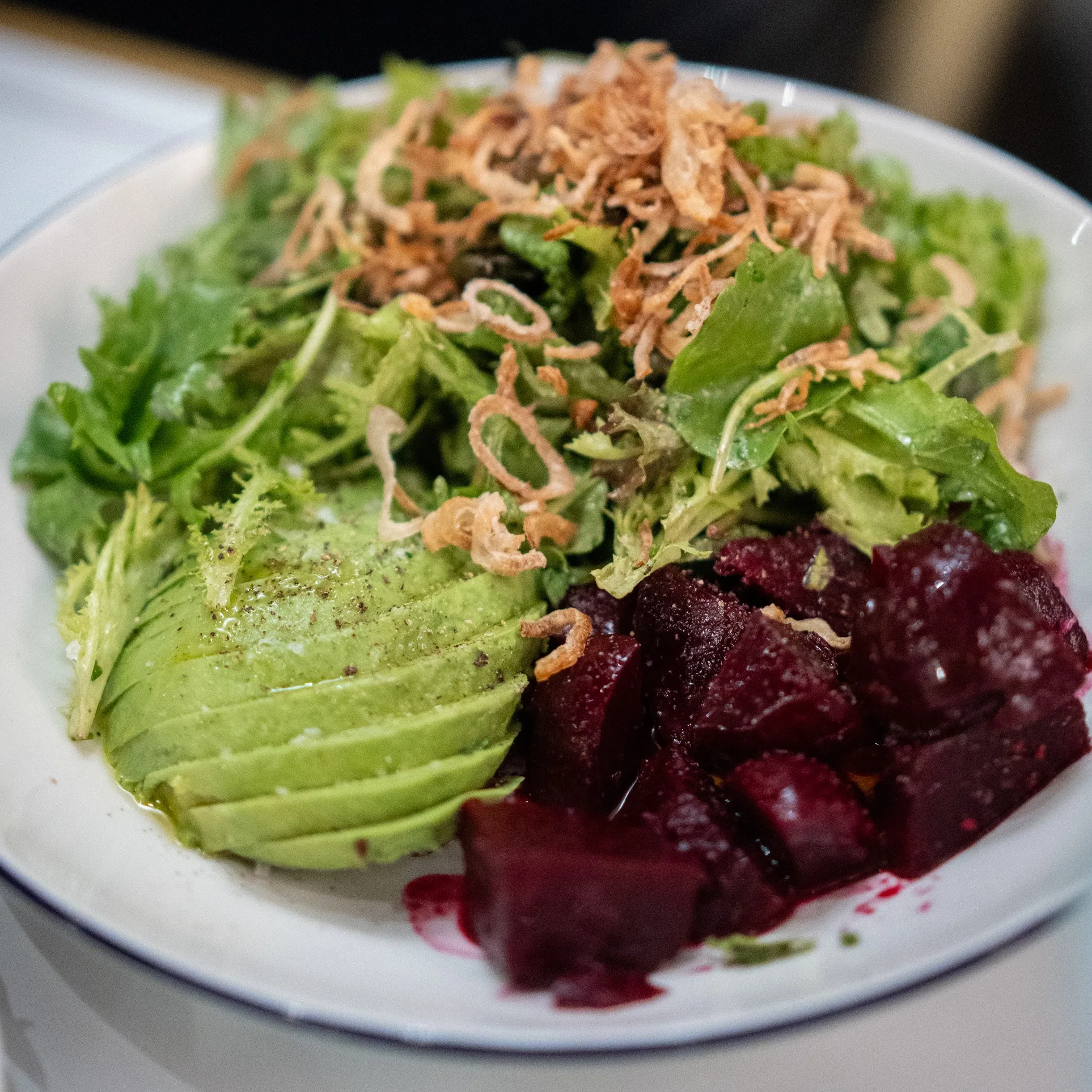
Flavor intensity. Vegetables grown in living soil develop more complex flavor profiles. A beet grown in KNF soil tastes fundamentally different from a conventionally grown beet — deeper, more mineral-forward, more “beet-like.”
Resilience. Plants grown in living soil develop stronger immune systems and better stress resilience, which translates to longer shelf life and better storage characteristics.
This is why chefs notice KNF-grown produce immediately. At Mountain View Farms in Waianae, where KNF methods are used exclusively, a bunch of cilantro tastes more vibrant. Broccolini has a sweeter, more complex finish. Bell peppers deliver more intense flavor with less watery character. Leafy greens — whether Manoa lettuce, Dino kale, or spinach lettuce — hold their texture and flavor longer because they were built for nutrition, not logistics.
For restaurants like MW Restaurant and Artizen that have committed to KNF-sourced produce, this consistency in quality becomes a foundational element of their culinary identity. The restaurant doesn’t just serve better ingredients; the ingredients enable better cooking.
The Farm-to-Restaurant Relationship in Practice
Direct farm-to-restaurant sourcing works differently than conventional food distribution. There is no middleman, no three-tier markup, and no loss of control over timing or quality.
A typical relationship begins with a chef visiting the farm — walking the fields, understanding growing cycles, meeting the farmer. This isn’t ceremonial; it’s essential. The chef learns what varieties grow well locally, what’s coming into season, what the farmer can reliably produce. The farmer learns the chef’s standards, timing requirements, and menu philosophy.
Once established, the relationship operates on regular communication. A chef might call on Friday to discuss the following week’s needs: “I need thirty bunches of cilantro, ten heads of Manoa lettuce, and beets if they’re peaking this week.” The farmer confirms availability and harvest timing. Delivery happens in 1–2 days from harvest, eliminating almost all the degradation that occurs in conventional supply chains.
Pricing reflects this value exchange. Farm-direct produce costs more than distributor vegetables — not because of markup, but because small-scale, hands-on farming is inherently more labor-intensive. Growing without synthetic chemicals means more hand-weeding, more soil preparation, more attention per plant. Harvesting to order rather than in bulk means smaller, more frequent picks timed to peak ripeness. The price reflects the real cost of growing food this way. And for the chef, the return on that investment is significant:
- Better flavor and quality (justifying premium pricing to diners)
- Longer shelf life (reducing kitchen waste)
- Menu flexibility (ability to build dishes around what’s actually at peak ripeness)
- Reduced packaging and transportation environmental impact
- A compelling brand story (that increasingly justifies premium pricing)
This model has proven sustainable across Hawaii’s restaurant landscape. Restaurants like Bar Māze, Solera, Quiora, and 53 by the Sea have built thriving operations around direct farm sourcing. The relationship creates mutual benefit: the farm achieves reliable revenue and higher margins than wholesale commodity markets, and the restaurant gains competitive differentiation that drives customer loyalty.
Beyond Restaurants: Retail Partnerships and Community Access
While restaurants receive the most attention in farm-sourcing conversations, retail partnerships play an equally important role in making local food accessible at scale. Grocery chains and independent retailers like Whole Foods Market, Foodland, and specialized stores like Hōlīlī and The Local General Store have integrated farm-direct products into their sourcing strategies.
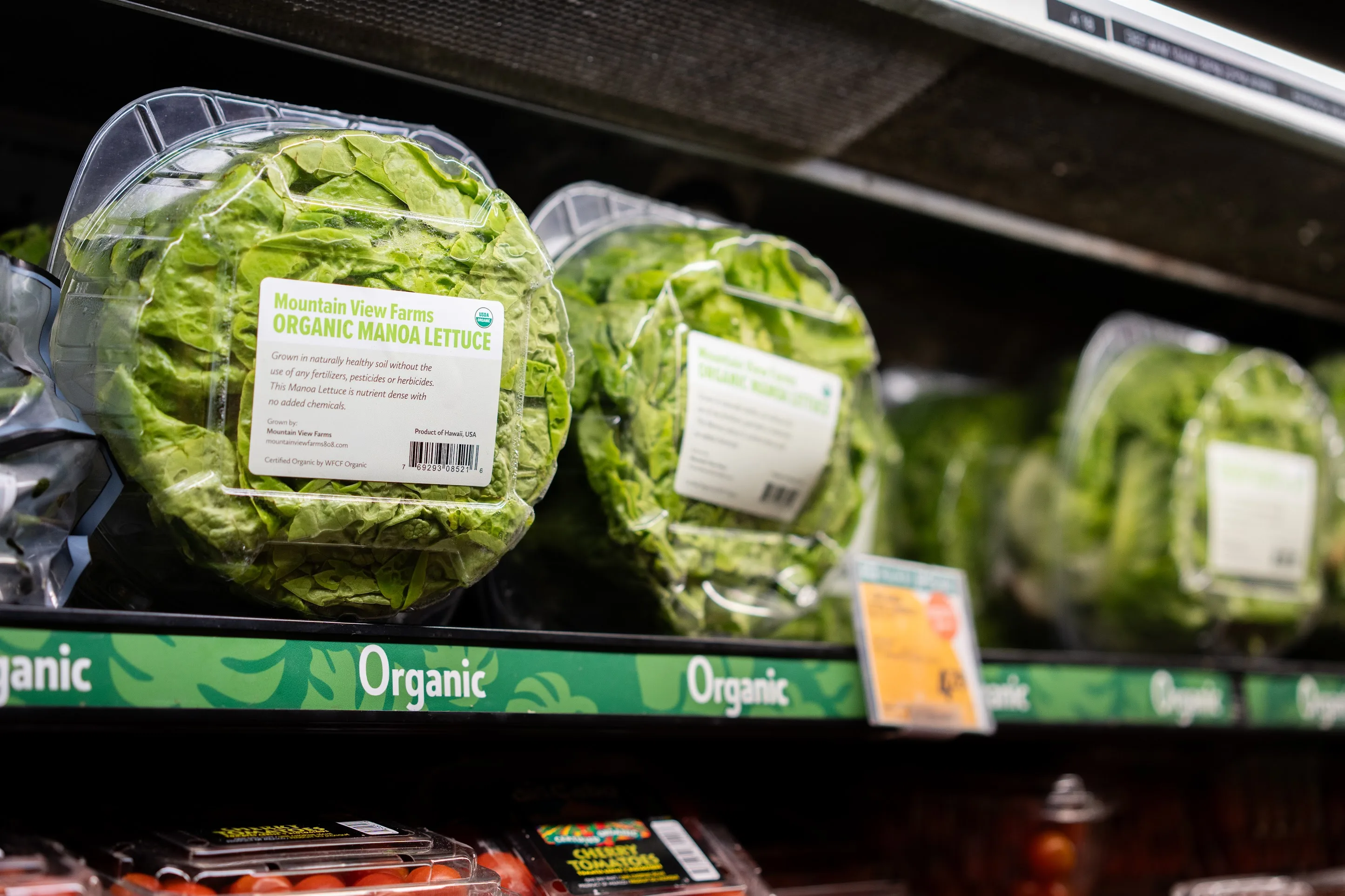
This expansion matters because it democratizes access to high-quality local produce. A home cook shopping at Foodland or Whole Foods can purchase the same quality vegetables that chefs at Merriman’s or Alan Wong’s use — produce grown without synthetic chemicals in living soil, harvested recently, bursting with flavor. This retail availability reinforces the market demand that makes local farming economically viable.
Specialty retailers like Forage and The Waianae Store serve as curators, connecting conscious consumers directly with farmers and explaining the value proposition. These partnerships remind us that farm-sourcing isn’t merely about restaurants; it’s about rebuilding a food system where quality, locality, and transparency are standard expectations.
The Larger Movement: Why This Matters Beyond Hawaii
Hawaii’s farm-to-table movement is not unique — similar efforts are underway throughout North America and globally. However, Hawaii’s context makes it particularly significant.
First, Hawaii’s food import dependency (85–90%) is dramatically higher than the continental United States. This creates genuine urgency around local food resilience and security. Every chef who commits to local sourcing is directly participating in reducing the state’s vulnerability to supply disruptions.
Second, Hawaii’s agricultural conditions — year-round growing season, tropical climate, unique soil characteristics — create an opportunity for food diversity and specialty crops that mainland farmers cannot access. Local sourcing allows chefs to leverage these natural advantages in ways that create competitive differentiation.
Third, Hawaii’s small geographic scale makes transparency possible. A chef in Honolulu can visit a farm in Waianae in under an hour. This proximity enables the kind of direct relationship that builds trust, accountability, and genuine partnership.
Consumer demand reinforces these trends. National Restaurant Association surveys consistently rank “locally sourced” among the top menu trends, and multiple industry reports show growing willingness among diners to pay premium prices for local ingredients. For restaurants in Hawaii, this isn’t a niche market; it’s becoming a mainstream expectation.
Mountain View Farms and the Ecosystem
Mountain View Farms represents the supply side of this equation. Operating in Waianae Valley on Oahu’s west side, the farm grows a diverse array of vegetables — Manoa lettuce, Dino kale, Romaine, spinach lettuce, Choi Sum, Bok Choy, beets, radish, daikon, broccolini, and bell pepper — along with herbs (parsley, cilantro, green onion, turmeric) and natural-farmed pork raised on revolutionary deep-litter bedding systems.
The farm uses Korean Natural Farming methods exclusively. Zero synthetic chemicals. Living soil. Fermented plant extracts. Microbial focus. This commitment isn’t marketing; it’s fundamental to how the farm operates.
The results are reflected in their restaurant partners — FÊTE, Mille FÊTE, MW Restaurant, Artizen, Plumeria Beach House, Alan Wong’s, The Pig & The Lady, 53 by the Sea, Bar Māze, Quiora, Solera, Merriman’s, Kapa Hale, Sushi Izakaya Gaku, Diamond Head Market & Grill, Koko Head Café, Over Easy, Easy Que, Stage, Pagoda, and Nami Kaze. These restaurants didn’t commit to sourcing from the farm because of a sales pitch. They committed because the produce delivered on the core promise: superior flavor, nutrient density, and quality that elevated their menus.
The farm’s retail partnerships — Whole Foods Market, Foodland, Foodland Farms, Farm Link Hawaiʻi, Hōlīlī, The Local General Store, Marukai, Don Quijote, Tamura’s Market, Forage, Mauka Meats, The Waianae Store, Tea Chest Hawaiʻi, and Daguzan Charcuterie — extend this impact to consumers shopping conventionally.
Mountain View Farms represents what the Hawaii Regional Cuisine movement envisioned thirty years ago: a farm committed to quality over volume, to soil health over chemical intervention, to partnership over transaction. The farm doesn’t compete on price; it competes on excellence.
The Broader Conversation: Food Resilience and Values
Ultimately, the shift toward direct farm sourcing in Hawaii’s restaurants reflects a broader realization: the old food system — industrialized, centralized, import-dependent — no longer serves Hawaii’s long-term interests.
A system that imports 85–90% of food is a system vulnerable to disruption. It’s also a system where billions in annual food spending flow off-island rather than circulating through Hawaii’s own agricultural economy. It’s a system that values shelf-stability and transportation efficiency over flavor and nutrition. It’s a system that obscures the relationship between land and table.
The Hawaii Regional Cuisine movement, which began in 1991 with twelve chefs committed to local sourcing, cracked open the possibility of an alternative. Thirty years later, that alternative has become increasingly viable. Restaurants from fine dining establishments to casual operations have discovered that sourcing local creates better food, stronger brand identity, and deeper customer loyalty.
This shift is still incomplete. Hawaii still imports the vast majority of its food. Agricultural land remains expensive and inaccessible. Farmers still struggle with labor costs and regulatory complexity. The farm-to-table movement has not solved Hawaii’s food security challenges.
But it has demonstrated something crucial: that excellence and locality aren’t in tension; they’re aligned. That direct relationships between chefs and farmers create value that conventional supply chains cannot. That consumers will support and pay for food that tastes better, was grown more responsibly, and carries an authentic story of place.
For Hawaii’s best restaurants — and for the farms that supply them — this represents more than a sourcing strategy. It represents a commitment to rebuilding a food system centered on quality, resilience, transparency, and place.
Sources
Hawaii Food Security & Import Dependency
- Hawai’i’s Food Consumption and Supply Sources: Benchmark Estimates — Loke & Leung, Agricultural and Food Economics (2013)
- Increased Food Security and Food Self Sufficiency Strategy — State of Hawaii DBEDT
- Growing and Eating Locally — Hawaii Sea Grant
- Food Systems and Resiliency — Hawai’i Public Health Institute
- How Hawaii Squandered Its Food Security — Honolulu Civil Beat (2021)
- Food Sovereignty In Hawai’i — UH Hilo
Hawaii Regional Cuisine
Post-Harvest Nutrient Loss
- Preharvest and Postharvest Factors Influencing Vitamin C Content — Lee & Kader, Postharvest Biology and Technology (2000)
- Increasing Food Availability by Reducing Postharvest Losses — Kader, Acta Horticulturae (2005)
- Impact of Transportation on Lettuce Quality and Phytonutrient Loss — Food Science & Nutrition
- Prevention of Post-Harvest Food Losses — FAO Training Manual