First, Let's Be Honest
If you search "moringa benefits," you'll find everything from "good source of vitamins" to "cures cancer." Neither extreme is the full picture.
Here's the thing: moringa is a plant with real effects that scientists have been studying for decades. There are thousands of published papers on it. Some of what they've found is genuinely remarkable. But there's a big difference between "this looks promising in a lab" and "this is proven to work in people." We think that difference matters, and we'd rather be straight with you about it than oversell.
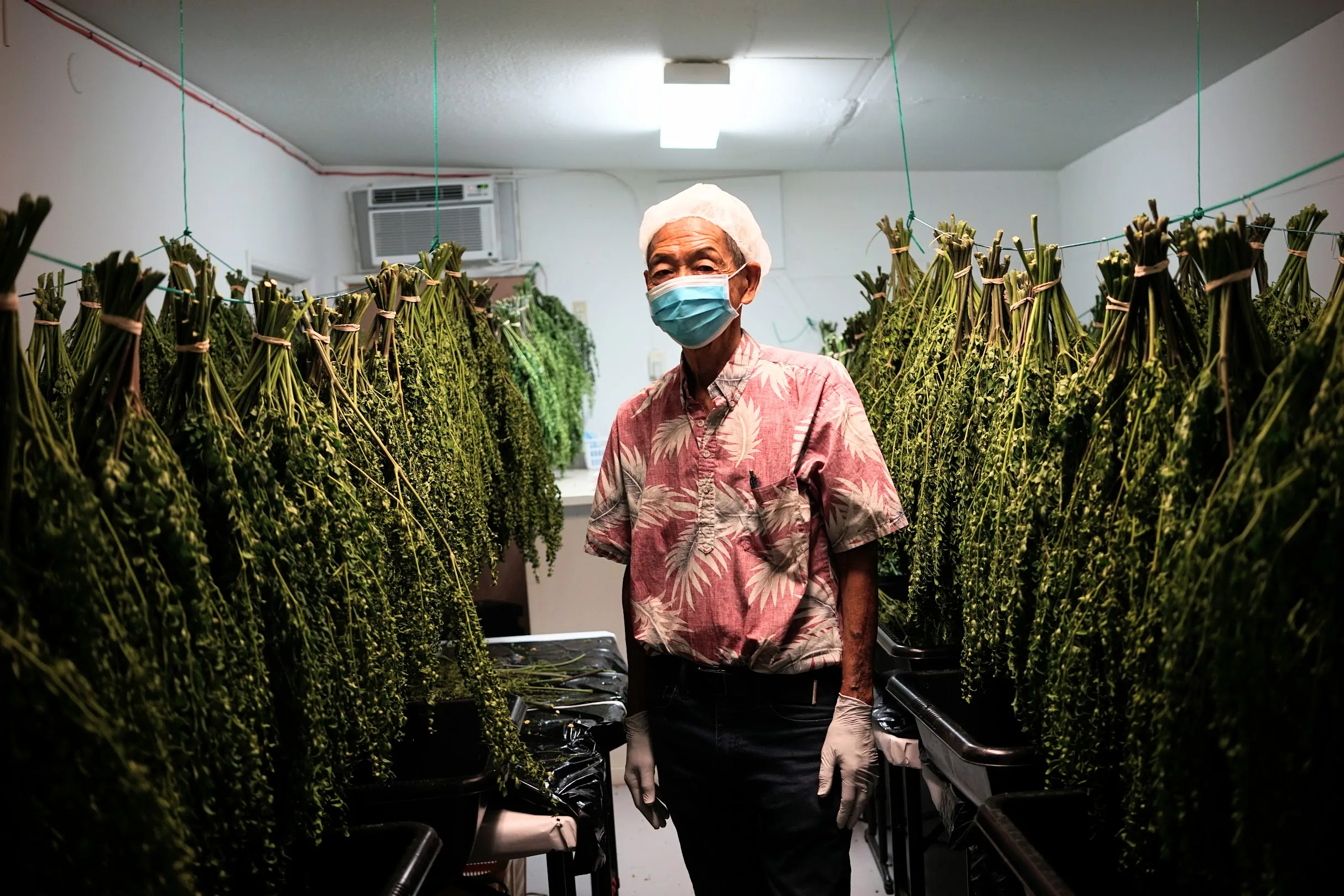
So that's what this article does. We'll walk through what moringa contains, what it does in the body, what the studies actually show, and — because this part gets ignored almost everywhere — why the way moringa is dried and processed determines whether you're getting the good stuff or an expensive green powder.
A Plant That's Been Around the Block
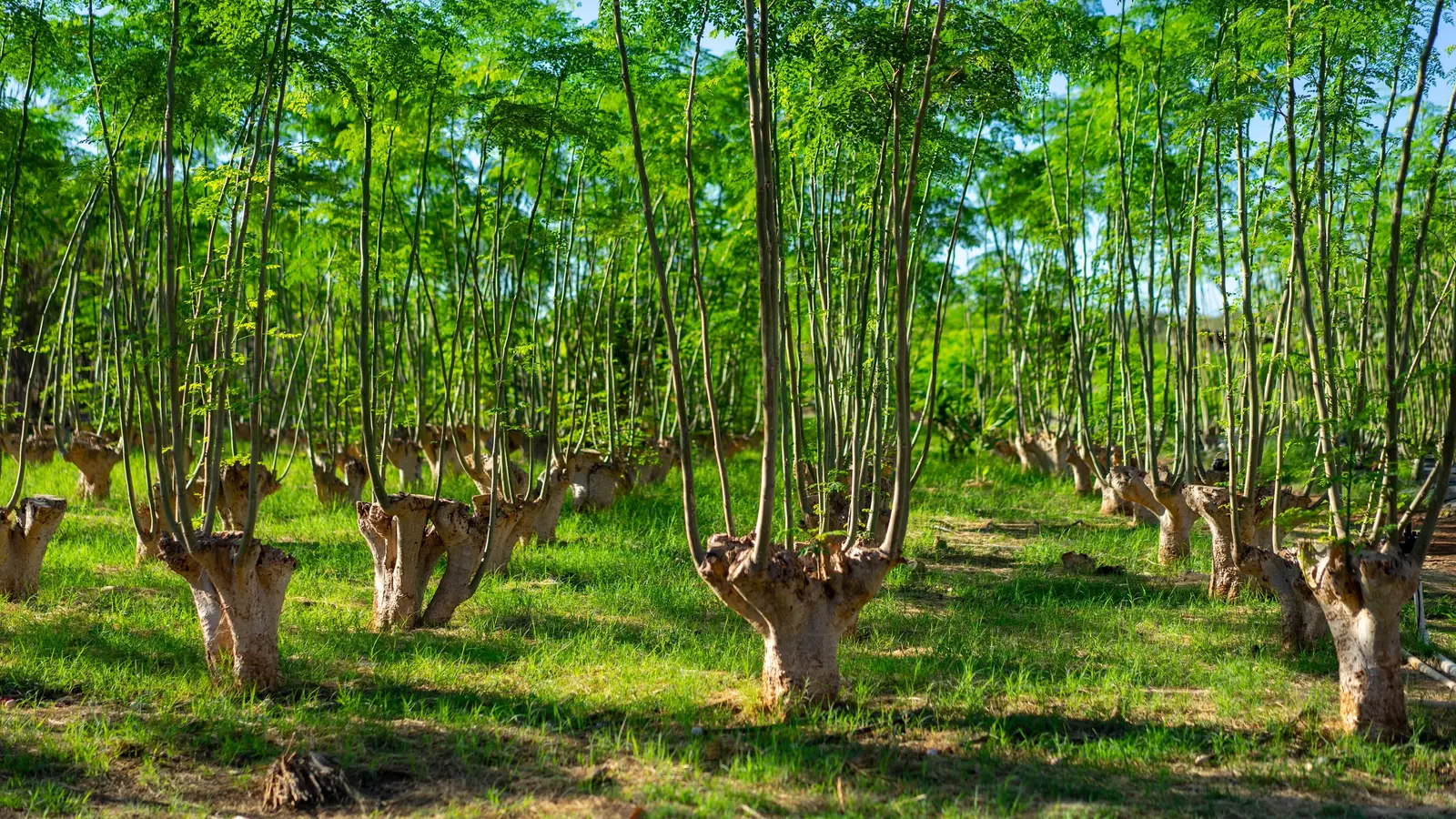
Moringa oleifera has been used in traditional medicine for over 5,000 years, originating in the foothills of the Himalayas. Today it's grown in over 80 countries and used as a food security crop across sub-Saharan Africa and Southeast Asia — because it grows almost anywhere, even in drought and poor soil (PMC, 2015). Here in Waianae Valley, our moringa trees thrive in Hawaii's tropical climate, grown using Korean Natural Farming methods — no pesticides, no synthetic fertilizers, just living soil and microbial biology.
What's Actually in Moringa (and Why It Matters)
The Mineral Profile Is Where Moringa Really Shines
This is one of moringa's key strengths. The numbers are striking:
For anyone who's low on these minerals — which is a lot of people — moringa is a genuinely useful daily supplement. This isn't hype. This is just what's in the leaf.
It's a Surprisingly Complete Protein
Most people don't think of a leaf as a protein source. But dried moringa powder contains 23–29 grams of protein per 100 grams — that puts it in the same range as many beans and lentils. More importantly, researchers have confirmed at least eight of the nine essential amino acids — the ones your body can't make on its own. That's unusually complete for any plant, let alone a leaf (Leone et al., 2015).
Now, a realistic serving — we recommend 4 capsules daily, which is about 1.5 grams of powder — gives you roughly a third of a gram of protein. Nobody's replacing chicken breast with moringa. But as a daily supplement that rounds out your amino acid profile? It's doing quiet, consistent work, especially if you eat mostly plant-based.
The Vitamin Story Is More Complicated (And We'd Rather Be Upfront)
Here's where a lot of moringa brands lose credibility, and where we want to be direct with you.
You've probably seen claims like "moringa has 7 times the vitamin C of oranges." That's true — for fresh leaves picked straight off the tree. But vitamin C is fragile. It breaks down with heat, UV light, and time.
A 2024 study comparing drying methods found that sun drying drops vitamin C by nearly 87%. Indoor shade drying — where leaves are dried in a covered, ventilated room away from sunlight — avoids the UV damage that accelerates vitamin C breakdown.
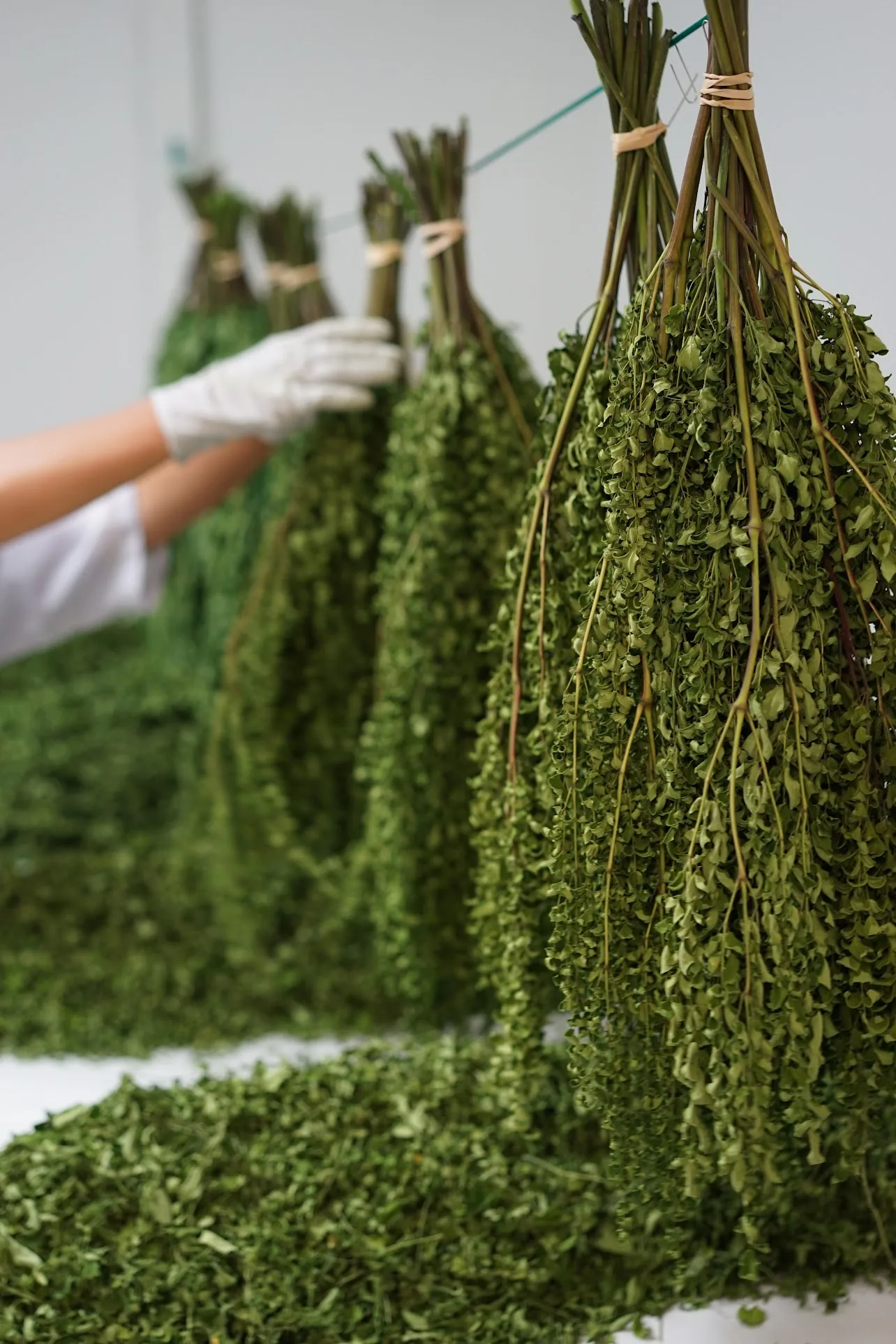
This is why we dry our moringa indoors in a climate-controlled room with constant airflow. It takes longer — about seven days — but by keeping the temperature low and the leaves out of direct sunlight, we preserve significantly more vitamin C than conventional drying methods.
The Anti-Inflammatory Story: This Is Where It Gets Interesting
What makes researchers really pay attention to moringa is a set of compounds that actively do things in the body — specifically, fighting inflammation.
The Broccoli Connection
You know how people say broccoli is good for you? Part of the reason is a family of sulfur compounds called glucosinolates. Moringa has its own version: a compound called glucomoringin, which converts into moringin — moringa's star isothiocyanate.
What Moringin Does
Think of your body's inflammatory response like a thermostat. When you get hurt or sick, it cranks up the heat. But when the thermostat gets stuck on high (chronic inflammation), it damages healthy tissue over time.
Moringin works on this thermostat in two ways at once:
It turns down the inflammation dial. It suppresses a signaling pathway called NF-κB, the master switch for inflammatory responses. A 2021 study in PLOS ONE showed that moringin significantly reduced inflammatory markers at meaningful doses.
It turns up the body's own defense system. At the same time, moringin activates the Nrf2 pathway, which tells your cells to produce more of their own antioxidant enzymes. This is like not just putting out a fire but also hiring a full-time fire prevention team.
The Enzyme Is Remarkably Tough
The enzyme that converts the raw compound into active moringin — myrosinase — is remarkably heat-stable. A 2022 study in Food Chemistry found that moringa myrosinase showed zero activity loss after being held at 85°C for a full hour — far more heat-stable than broccoli's version.
So if the enzyme is safe, why does drying method still matter? Because everything else in the leaf is more fragile — vitamin C, antioxidant compounds, and the beneficial soil microbes.
From Soil to Gut: Why How Moringa Is Grown Matters
Here's something most moringa brands never think about: the microbes in the soil may end up in your gut.
Beneficial microbes live in healthy soil. They climb aboard the plant as it grows. When you eat that plant, some of those microbes join the trillions of organisms already living in your digestive system. A 2025 paper in Nature Communications confirmed this: the same bacterial families show up in soil, on plants, and in the human gut.
Many of these microbes even survive drying. Soil bacteria like Bacillus species form endospores — like seeds waiting for spring — that reactivate in your gut. But high heat and UV radiation kill more of them, while our low-temperature indoor process gives them time to form those protective capsules.
What the Human Studies Show (Honest Assessment)
This is where we shift from "what's in moringa" to "what does it do in people." The evidence falls into clear tiers.
Anti-Inflammatory and Antioxidant Effects
Multiple studies have demonstrated the mechanisms — moringin's suppression of NF-κB, its activation of the Nrf2 antioxidant defense pathway, and the broader anti-inflammatory action of moringa's combined bioactive compounds. These results are consistent across different preparations, confirmed in both cell studies and animal models, and backed by well-understood biological mechanisms.
If you're taking moringa for general wellness and to support your body's ability to manage inflammation and oxidative stress, the science is on your side.
Lowering Blood Sugar
A 240-person clinical trial found that taking 500 mg of moringa capsules twice daily for 30 days reduced fasting blood glucose from 187 to 133 mg/dL (p<0.001). Other studies have shown similar effects at different doses.
But study designs vary, sample sizes are generally small, and a 2022 review in Frontiers concluded we need bigger, longer trials before moringa can be recommended as a standalone diabetes treatment. If you're on diabetes medication, talk to your doctor first.
Boosting Breast Milk Production
A 2024 systematic review found that moringa supplementation increased breast milk volume by up to 400 mL per day across multiple studies. A double-blind trial showed 47% more breast milk in the moringa group versus placebo on postpartum day 3.
The NIH's LactMed database reports no adverse effects in breastfeeding mothers or infants at standard doses. The evidence is encouraging but not yet definitive.
Liver, Heart, and Brain
Liver protection: Animal studies show moringa protects the liver from damage caused by drugs and toxins (PMC, 2015).
Heart health: In animal models, moringa extract performed comparably to lovastatin in lowering cholesterol. But a 2025 meta-analysis found no statistically significant effect in human studies yet.
Brain health: Animal models show consistent protective effects, but no human brain-health trials have been published yet.
We won't put "supports brain health" on a label until the human evidence is there.
A Note on Cancer
Lab studies have shown that moringa compounds can kill certain cancer cells in a dish (PMC, 2018). But a lot of things can kill cancer cells in a dish — the jump from a petri dish to the human body is enormous, and no human clinical cancer trials have been published.
Moringa's anti-inflammatory and antioxidant properties are well documented, and supporting your body's overall health always matters. But it's not a cancer treatment, and we'd never position it as one.
Why How You Dry Moringa Changes Everything
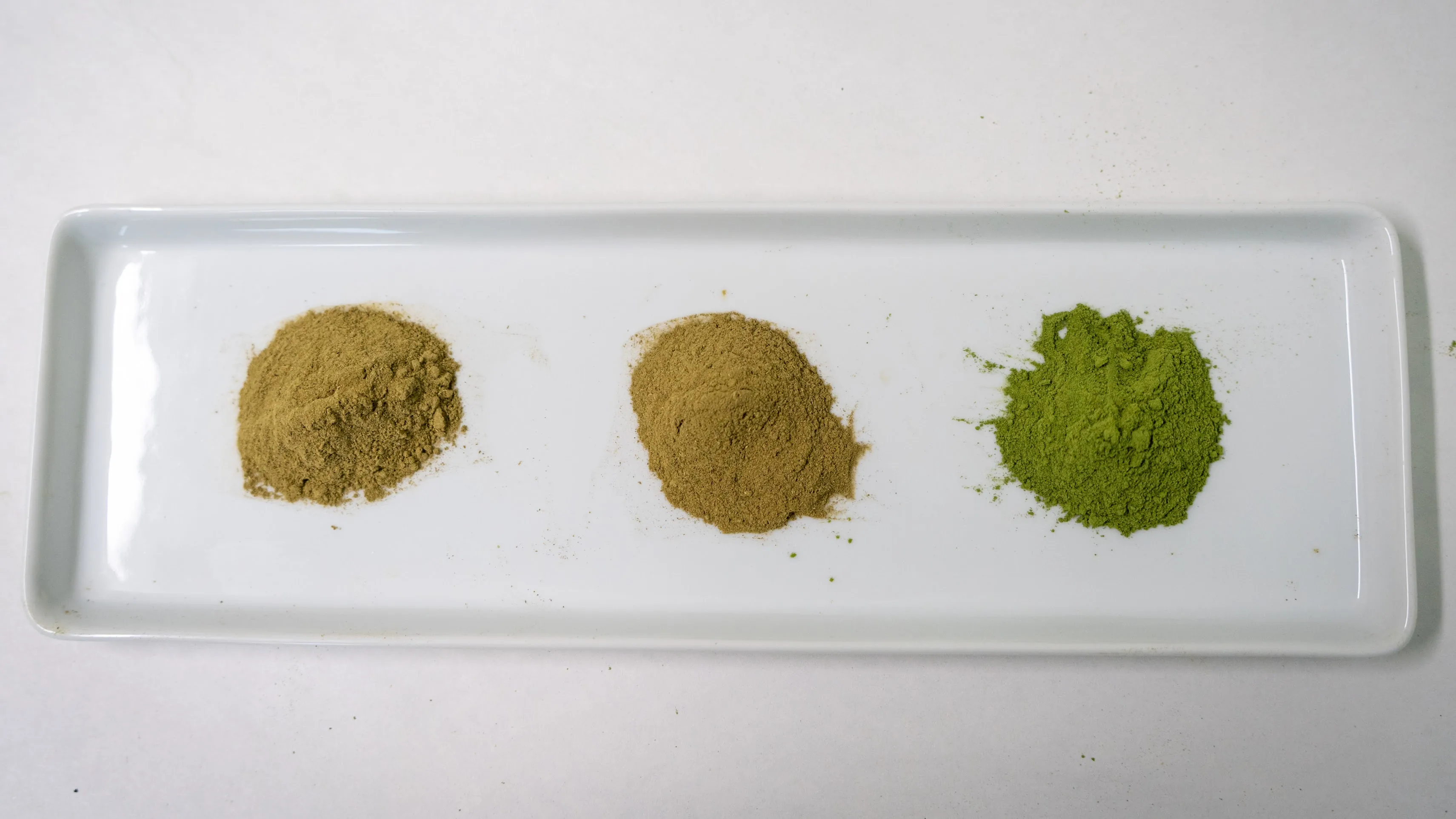
Imagine two identical batches of moringa leaves, picked from the same tree on the same morning. You dry one batch on a concrete slab in the sun. You dry the other in a shaded, ventilated room with controlled temperature. A month later, the lab results come back and they look like they're from two completely different plants.
Indoor shade drying preserves the most of what matters. Myrosinase survives any method, but vitamins, antioxidants, and beneficial microbes all need gentler treatment.
How Most Other Producers Do It
Sun drying is the cheapest method. Minerals hold up fine, but UV light is harsh on vitamin C and antioxidants.
Oven/cabinet drying (50–70°C) is fast, but vitamin C and antioxidants take a hit.
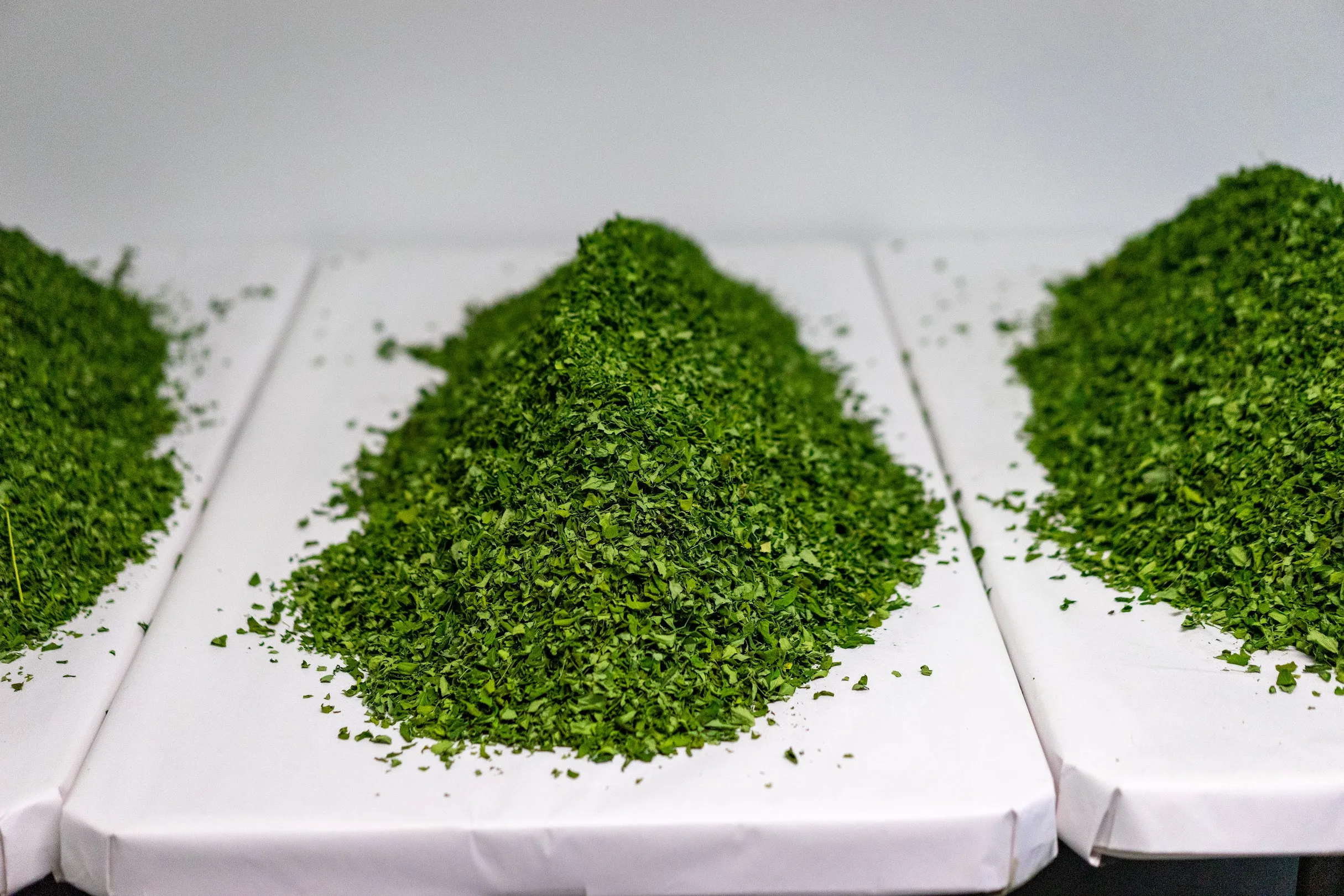
We keep the temperature low, the airflow constant, and the sunlight out. It takes about seven days per batch. The research tells us it's worth it.
Safety: What You Need to Know
Moringa leaves have an excellent safety record. Across published human clinical trials, no adverse effects have been reported. Animal toxicity studies at very high doses showed no harmful effects.
Avoid moringa root products. The roots may contain spirochin, a toxic alkaloid. All of our products use only leaves and seeds — never root material.
Watch for medication interactions. If you take thyroid medication, diabetes drugs, blood pressure medication, or blood thinners, moringa may interact with them. Check with your doctor (WebMD; Memorial Sloan Kettering).
The Honest Picture
Moringa isn't a miracle cure. But there's a solid and growing body of evidence that it has meaningful health benefits.
It's a genuinely nutrient-dense plant with a complete amino acid profile, exceptional mineral content, and bioactive compounds — particularly moringin — that actively support your body's anti-inflammatory and antioxidant systems. The clinical evidence for blood sugar support and lactation is encouraging and growing. The early research on liver, heart, and brain health is fascinating but still in its early stages.
What separates moringa from a lot of hyped "superfoods" is that the science holds up when you look closely. The mechanisms are understood. The safety profile is solid. The limitations are clear.
If you're considering moringa, the questions worth asking are: Was it grown naturally — without synthetic fertilizer or pesticides? How was it dried? Is it tested for contaminants? What part of the plant is in it?
We built our moringa operation around the answers to those questions. KNF-grown in living soil, shade-dried in a climate-controlled room, and processed in small batches. It costs more to do it this way. The research tells us it's worth it.